

City Case Study
Redevelopment with Local Leadership in Honolulu, Hawaiʻi
Building local capacity and collaboration for community-led revitalization
Executive Summary
In Honolulu’s Kalihi neighborhood, the redevelopment at Kuhio Park Terrace (KPT) presents an opportunity for the local community to come together to promote a more community-centered outcome. Through collaboration between a statewide organization (The Hawaiʻi Good Food Alliance) and a long-standing local partner Kōkua Kalihi Valley, CFS (KKV), the work shifted from a single project to a lasting framework that builds resident leadership, strengthens local capacity, and aligns redevelopment with community priorities. By investing in relationships and shared accountability first, the partners have created a foundation that allows residents to lead, adapt, and shape a more resilient future for KPT.
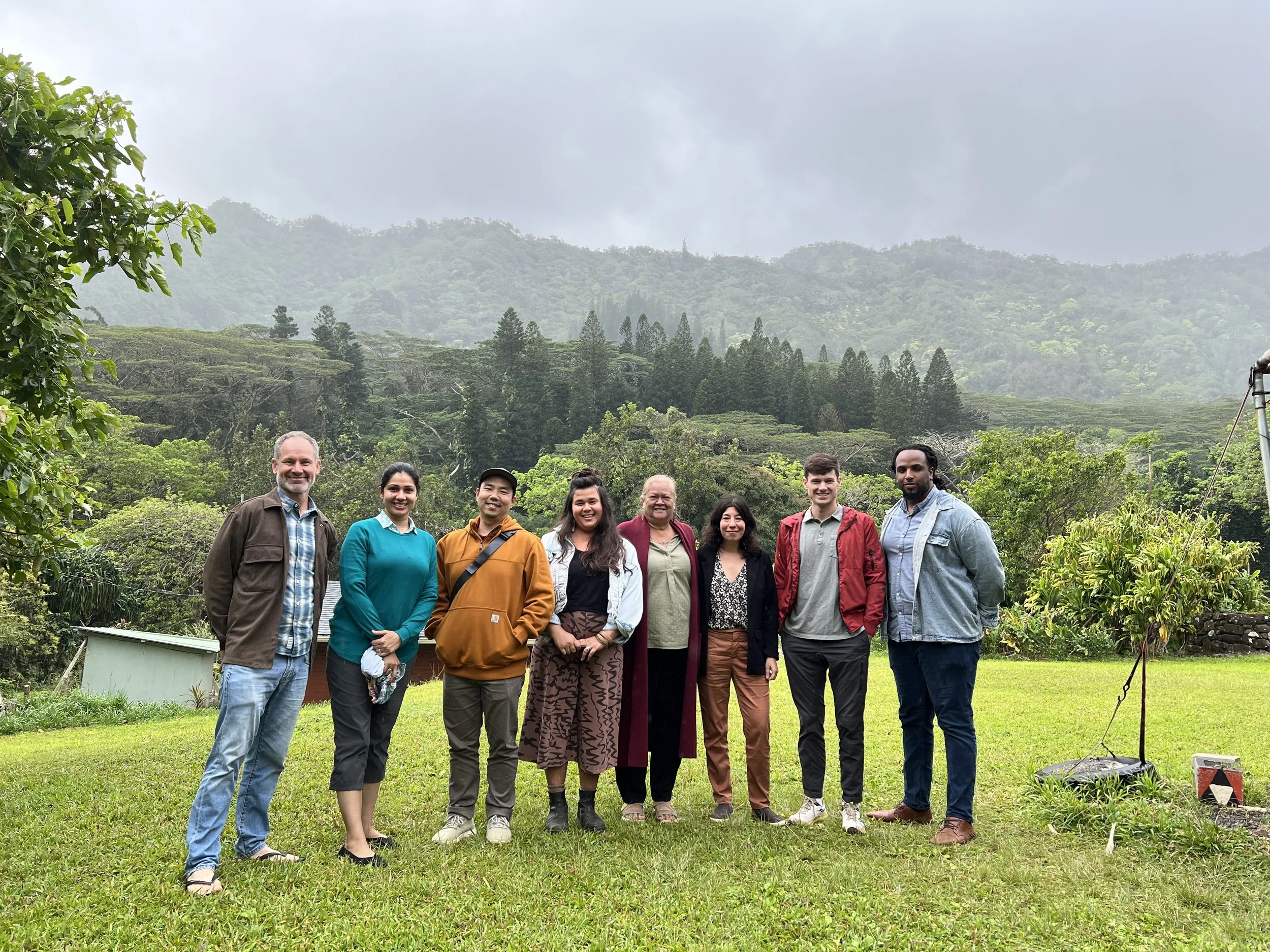
Introduction
Redevelopment in Honolulu’s Kalihi neighborhood is reshaping one of Hawaiʻi’s most dynamic urban communities. Within this process, local and statewide partners have worked together to ensure that change strengthens—not displaces—community voice. This collaboration combined with the engagement of countless local partners, the effort has emphasized building the capacity, structure, and relationships that allow residents to lead. What began as a small-scale conversation about neighborhood food access has grown into a coordinated framework for community revitalization, one that aligns local trust with broader systems and technical support.
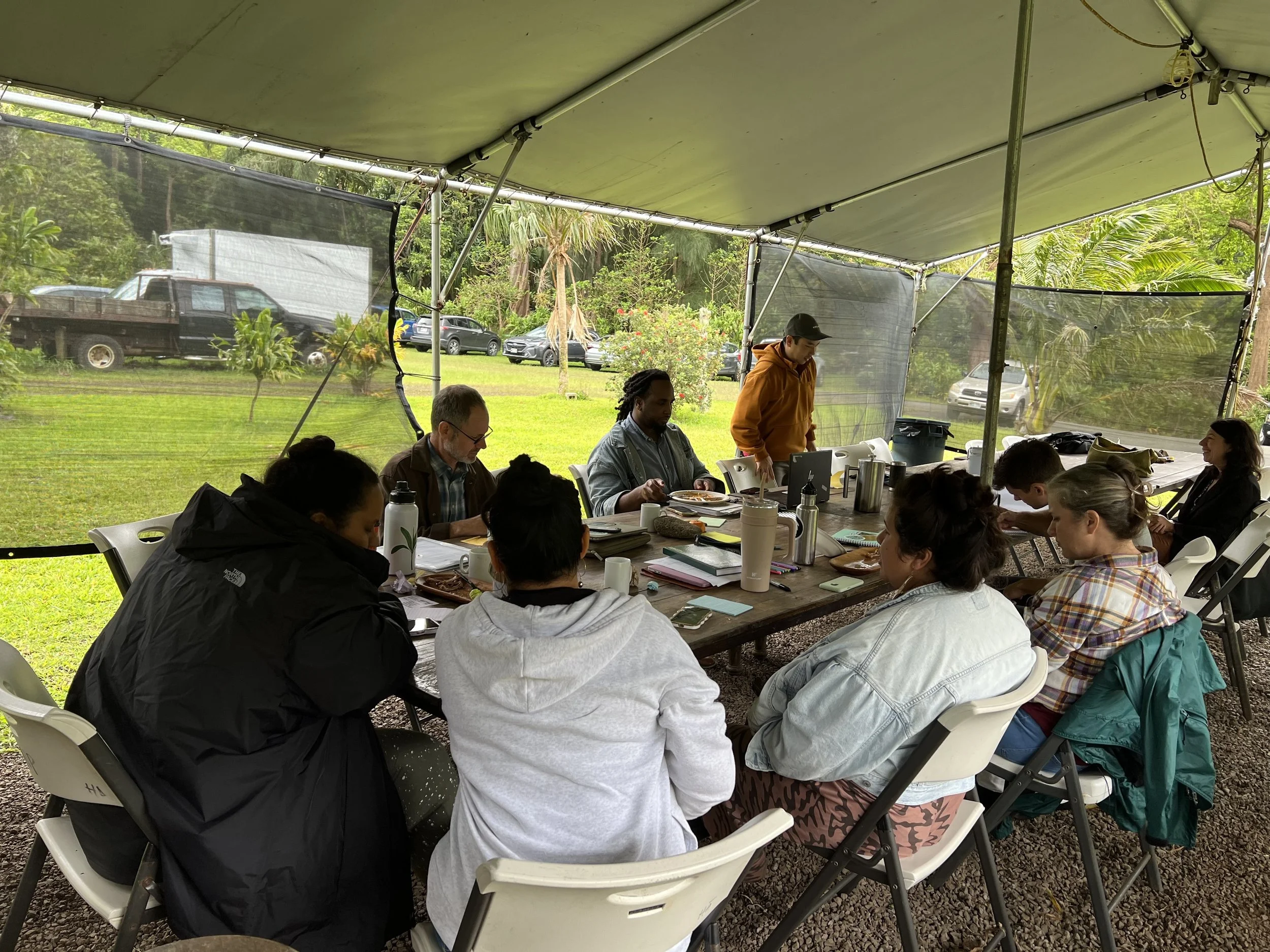
Community Context
Kalihi is a dense, predominantly working class, culturally varied neighborhood, home to Kuhio Park Terrace (KPT), Hawaiʻi’s largest public housing complex. The area has long-balanced deep community ties with uneven investment and redevelopment pressures. For many residents, the question is not just how redevelopment happens but who it benefits. As new plans advance, community partners have worked to ensure residents are informed, organized, and able to shape the outcome. That focus on local leadership has been essential amid uncertainty—when external partners shift, trust in community-based anchors becomes the foundation for progress.
Project Description
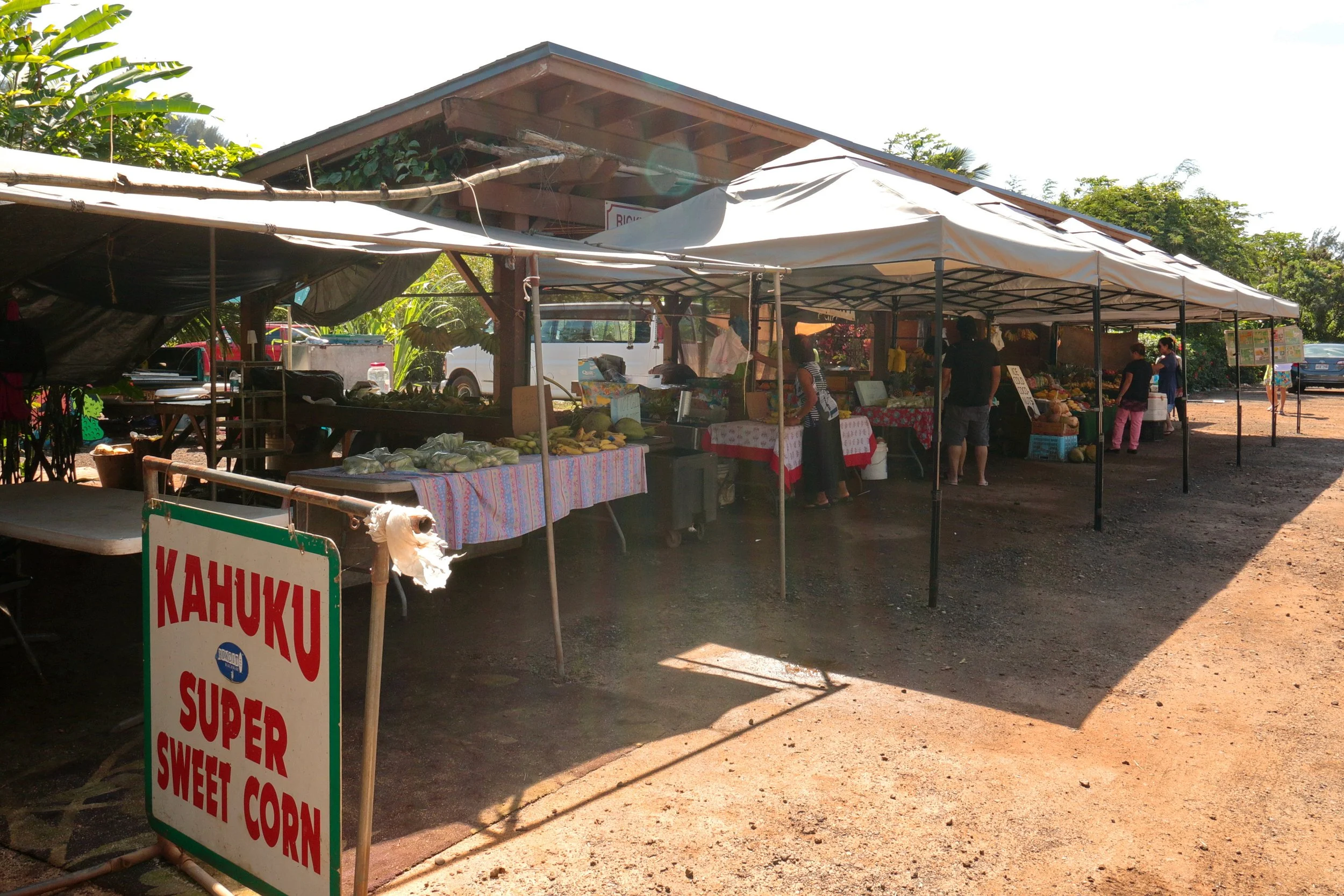
The collaboration began with everyday priorities that held deep cultural meaning, such as the right to grow food in home spaces. These early discussions led to broader questions about how residents could influence the future of KPT. Partners began meeting regularly, bringing together expertise in housing, health, food systems, and community planning. Over time, the work evolved from a set of activities into a framework for engagement. Structured facilitation supported the reestablishment of the Keeping People Together Residents Council, giving KPT residents a consistent voice in redevelopment conversations. Monthly meetings, concept design sessions, and advisory discussions connected community input to planning decisions. The partnership between the Hawaiʻi Good Food Alliance and KKV proved critical. KKV—rooted in direct relationships and daily presence—anchored community coordination. The Hawaiʻi Good Food Alliance provided policy guidance, funding connections, and a lens for how lessons from Kalihi could inform other regions. Together, they created a process that both built local capacity and informed broader systems change.

Current Dynamics & Challenges
As Phase 1 concluded, the coalition entered a period of reflection and recalibration. Community priorities shifted toward short-term needs—such as relocation and housing stability—while long-term redevelopment plans continued to evolve. New advocates and organizations joined the conversation, bringing energy and new perspectives but also requiring careful alignment. Communication challenges emerged as some institutional partners, including housing representatives, reduced participation. Yet, the Residents Council has continued to meet regularly, with facilitation support and growing leadership from long-time residents. Legal and policy advisors are helping residents understand their rights and navigate the transition process (note, this relationship between resident leaders and the KKV based Medical Legal Partnership for Children in Hawaiʻi has been the most robust part of the work recently), while community partners maintain focus on steady, relationship-based progress. Rather than pushing forward on timelines that could outpace the community, partners have chosen to emphasize dialogue and shared accountability. This patience—creating space for uncertainty—has become one of the coalition’s defining strengths.

Accomplishments
Resident leadership: The Residents Council now meets monthly, serving as a structured body for input and decision-making.
Partnership infrastructure: Regular coordination among community-based, statewide, and national organizations has strengthened shared planning and funding opportunities.
Vision planning: Partners are advancing concepts for green and food-centered public spaces, including connections to transit and community resource centers.
Policy and systems engagement: Early conversations with public agencies have begun to address how land-use and housing policies can better support community goals.
Sustained alignment: The partnership itself has become an asset—an ongoing structure that outlasts individual projects and keeps collaboration intact even when conditions shift.


Lessons Learned
Start with leadership. Lasting change comes when residents have the structure and confidence to guide it.
Collaboration builds resilience. When organizations align around shared accountability, they can adapt through transitions.
Focus on the process, not just the project. Strengthening communication, trust, and facilitation is as important as physical outcomes.
Balance urgency and patience. Responding to immediate needs while maintaining long-term vision ensures redevelopment remains grounded in community wellbeing.
Partnerships evolve through learning. Each organization’s strengths, whether local experience or statewide reach—helped the other grow.
Get written binding commitments from for-profit and large institutional partners. Build relationships but don’t take them at their word.

Do's and Don’ts
Key takeaways from the Honolulu’s coalition's experience, what helped build momentum and what to watch out for when replicating this approach in your own community.
✓ Do
Build local leadership structures before addressing technical details.
Use small, meaningful actions to connect residents and systems.
- Maintain communication and flexibility as conditions shift.
- Celebrate milestones that reflect community ownership.
✗ Don't
Push forward on timelines that don’t match community capacity.
Assume external expertise replaces local knowledge.
Treat engagement as one-time consultation rather than an ongoing relationship.
Related Case Studies
Explore More Case Studies
See how other communities build their alliances.