

City Case Study
Advancing Corridor Redevelopment through Partnership in New Orleans, Louisiana
Structure, collaboration, and shared leadership as drivers of progress
Organizations Involved
The New Orleans partnership brings together three long-standing entities that have worked for years to strengthen local business development and community investment in the Claiborne Corridor. Ujamaa Economic Development Corporation leads efforts to support small businesses, coordinate investment, and promote sustainable neighborhood growth. The Greater Treme Consortium contributes its deep roots in the community, advancing housing stability, small business support, and neighborhood revitalization in one of New Orleans’ most historic areas. The City of New Orleans Office of Economic Development provides technical guidance, policy alignment, and access to funding and city resources that help move projects from concept to implementation. Together, these organizations form a coordinated partnership that connects community expertise, nonprofit leadership, and municipal capacity to create a stronger, more connected framework for business support and economic development in Treme and the Claiborne Corridor.
Community Context
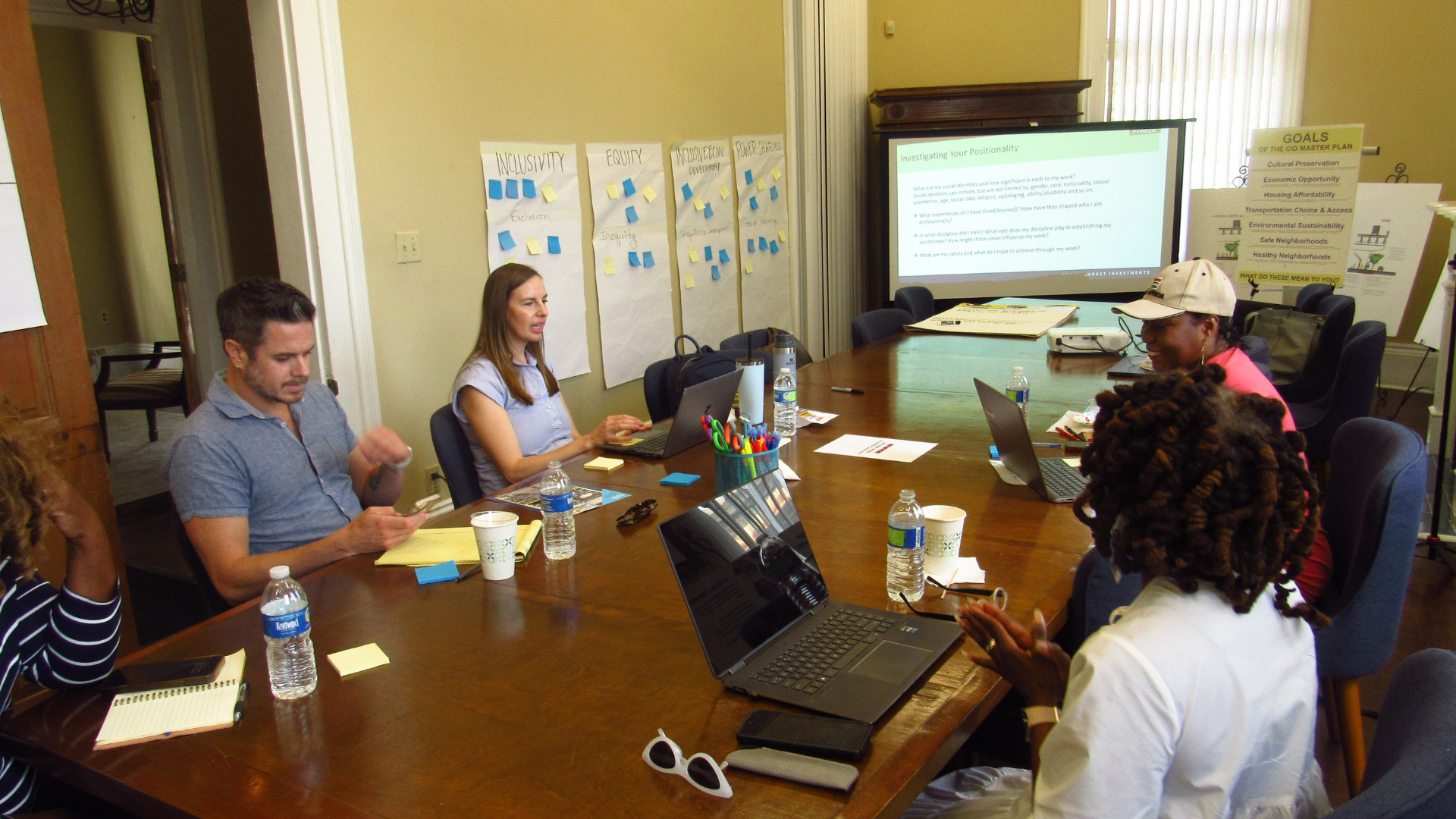
The partnership works in Treme and the Claiborne Corridor, an area that has experienced extensive planning efforts but limited sustained progress. Local leaders have worked for years to restore businesses and attract investment while protecting the character and affordability of the neighborhood. Many organizations and agencies have pursued overlapping goals in this corridor, often without a clear structure for collaboration. The coalition entered this landscape determined to create a predictable, transparent, and lasting framework for redevelopment.
Type of Project
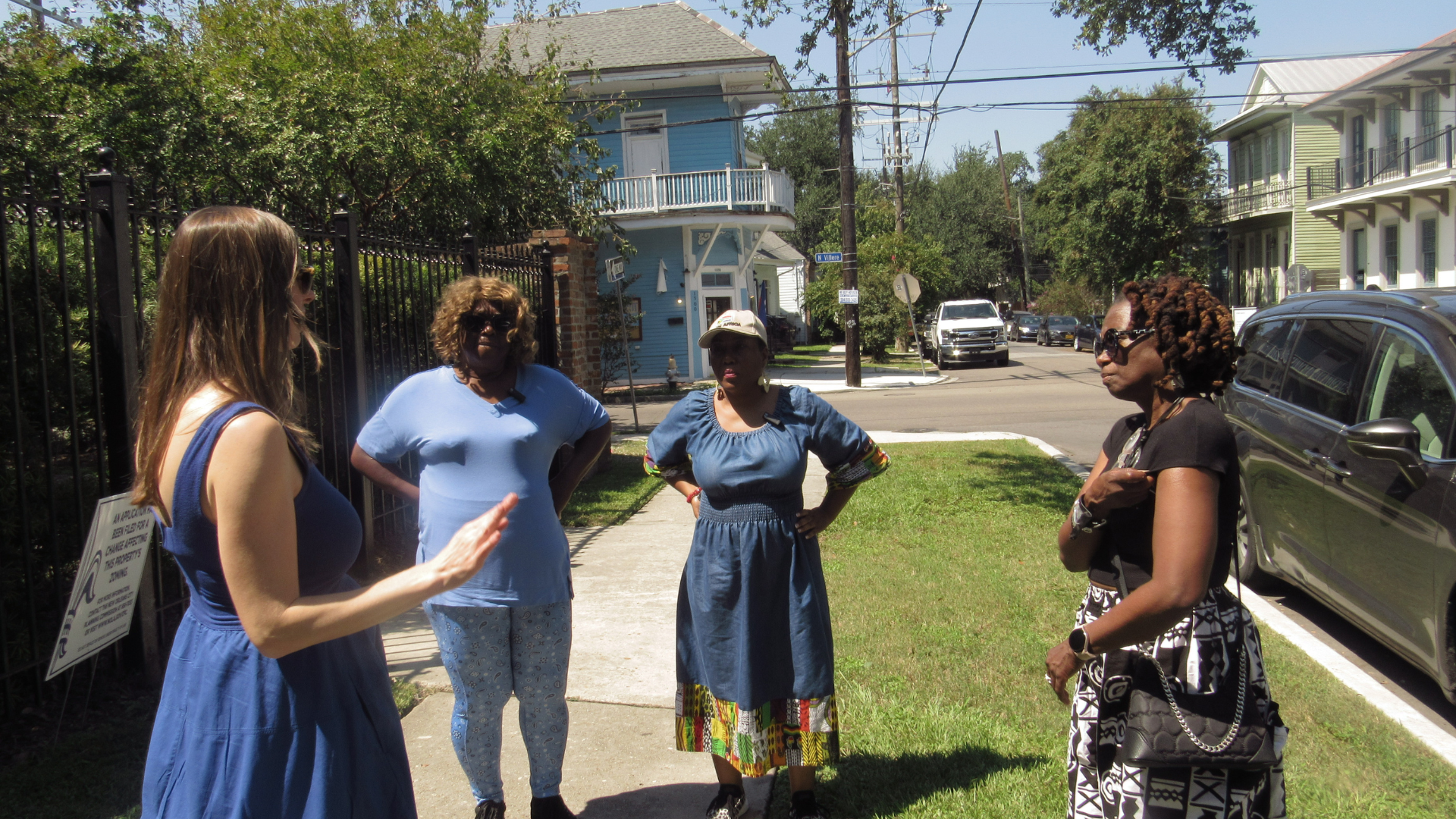
During the first phase of collaboration, the partners focused on understanding the existing landscape of businesses, organizations, and support services within the Treme and Claiborne Corridor. Through this effort, the team completed a detailed asset map identifying key business clusters, community assets, and available technical assistance resources. This work provided a clear picture of how businesses are currently supported and where gaps exist, setting the stage for more coordinated action.
Building on that foundation, the partnership is now focused on two major deliverables: developing a coordinated business support ecosystem and creating a sustainable funding strategy. The ecosystem effort is aimed at aligning the work of business support organizations, lenders, and training providers so that local entrepreneurs can access services more easily and efficiently. This includes designing a framework for collaboration, clarifying the roles of each partner, and identifying opportunities for shared outreach and communication.
The second deliverable centers on building a comprehensive fundraising and grant development strategy that will sustain this work over time. The coalition, with consultant support, will prepare a funding landscape analysis, develop reusable grant templates, and produce a submission-ready grant package to strengthen future applications. Together, these efforts will create a seamless system that connects small businesses to the technical assistance, capital, and long-term support they need to thrive.
Alliance Interventions
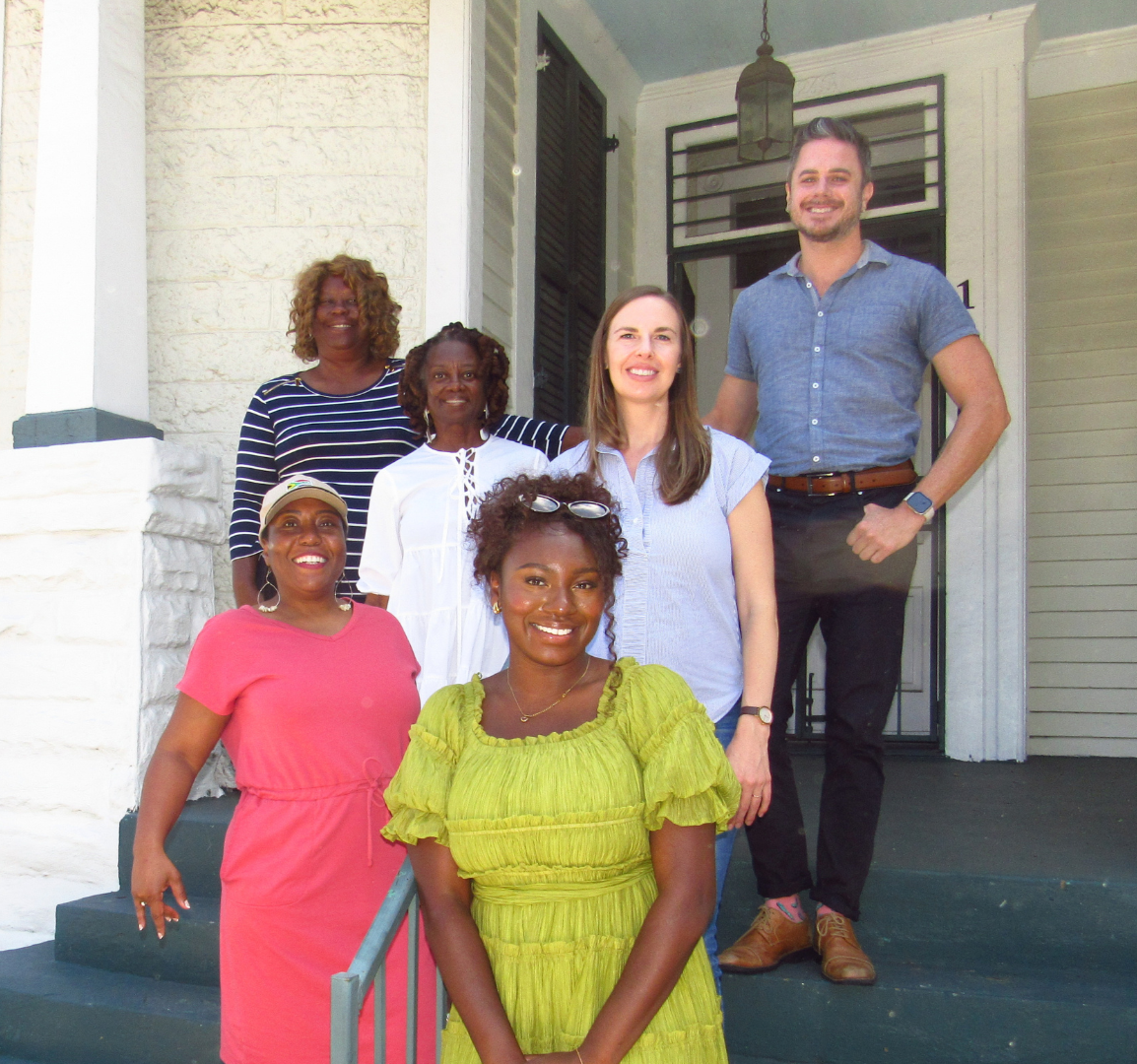
Facilitation through the Alliance provided the structure and consistency that helped the partnership move from planning to implementation. Regular meetings established accountability, while the site visit and asset mapping sessions clarified each organization’s contributions and strengths. The Alliance also created a steady process for follow-up, ensuring that tasks carried over between meetings and that all partners had clear next steps.
This structured approach helped the group manage complex coordination among community organizations, business networks, and city agencies. The facilitation emphasized practical problem-solving and helped partners establish patterns of communication and documentation that now guide the ecosystem and funding strategy work.

Challenges Faced
The partners encountered several practical challenges during the first half of the program.
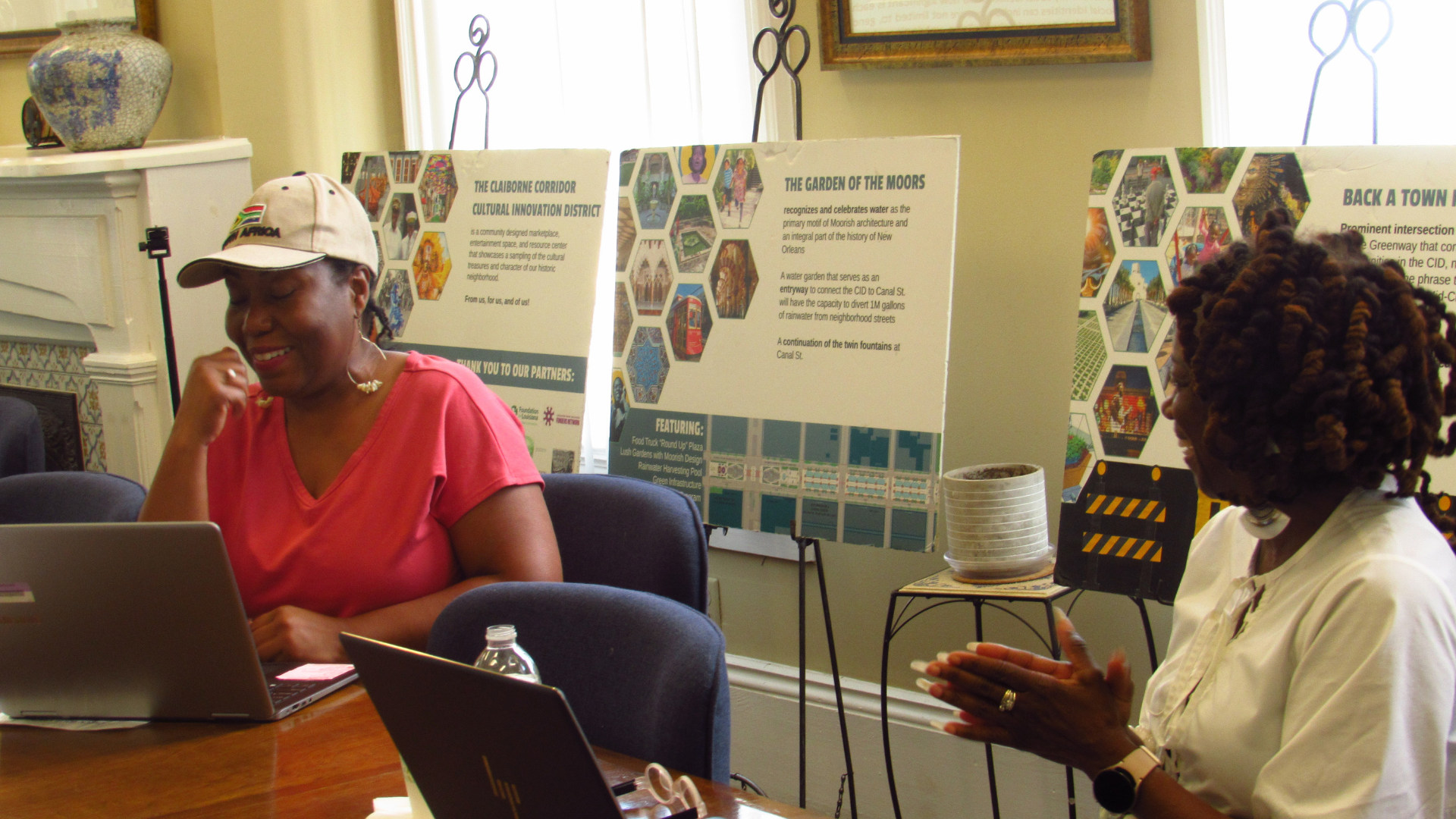
Limited capacity and time. Smaller organizations such as Ujamaa and the Greater Treme Consortium have limited staff capacity, making it difficult to balance daily operations with broader strategic work.
Sustaining participation. Competing workloads made it difficult to maintain steady engagement. The team addressed this through shorter, more focused meetings and shared administrative responsibilities.
Coordination across systems. The City’s procedural requirements sometimes slowed progress, but facilitation helped align timelines and maintain forward momentum.
Successes & Outcomes
By the six-month mark, the partnership had achieved significant progress. The asset map created an organized and comprehensive view of the business landscape, while the Alliance provided the structure and consistency to keep the work advancing. The partnership now has regular meetings, a project manager ensuring accountability, and clear communication between the City and community partners.
The City of New Orleans is also expanding its outreach and engagement with partner organizations as part of the next phase of work, helping to build participation in the broader business support ecosystem. One notable milestone was the partnership’s inclusion in the National League of Cities Southern Cities program, which further aligns local efforts with regional resources.
The next stage will formalize this structure into a seamless ecosystem for small business support that connects entrepreneurs to training, lending, and funding opportunities while reducing duplication among service providers. More than a redevelopment effort, this work is building a long-term system for business growth and coordination that will continue beyond the Alliance program.

Lessons Learned
The New Orleans experience demonstrates that lasting collaboration depends on structure, trust, and consistent communication. Predictable meeting schedules, clear agendas, and documented follow-up allowed partners to balance heavy workloads while maintaining progress. The time invested in building relationships proved as valuable as any technical milestone, helping partners create a shared language and approach that continues to guide their work. The process showed that strong partnerships can sustain progress even when projects, leadership, or funding cycles change. Establishing structure early through meeting protocols, shared tools, and written agreements ensures that collective efforts remain steady and coordinated over time.
Do's and Don’ts
Key takeaways from the New Orlean’s coalition's experience, what helped build momentum and what to watch out for when replicating this approach in your own community.
✓ Do
Do invest time in building partnerships, shared language, and trust before pursuing funding or projects.
Do establish clear protocols for bringing in new partners, including shared visioning and alignment discussions.
Do document agreements through tools such as MOUs to preserve continuity beyond individual relationships.
Do maintain consistent meeting schedules, agendas, and responsibilities to create accountability.
Do use asset mapping early to identify overlapping goals and clarify priorities.
Do communicate openly about capacity and distribute responsibilities based on each partner’s strengths.
Do celebrate process milestones to reinforce motivation and demonstrate progress to stakeholders.
✗ Don't
Don’t assume collaboration will evolve naturally without structure or facilitation.
Don’t underestimate the time required to manage and sustain partnerships.
Don’t let differences in pace or procedures delay progress; flexibility and communication are key.
Don’t rely on one source of funding; diversify to maintain stability.
Don’t measure success only through projects completed; building a strong and lasting partnership is an equally meaningful result.
Watch This Community in Action
See how communities in Sacramento and New Orleans are building cross-sector partnerships that strengthen local economies, in our newest short film, The Power of Partnerships | A Look Inside NGIN's Economic Partnership Alliance.
Related Case Studies
Explore More Case Studies
See how other communities build their alliances.