
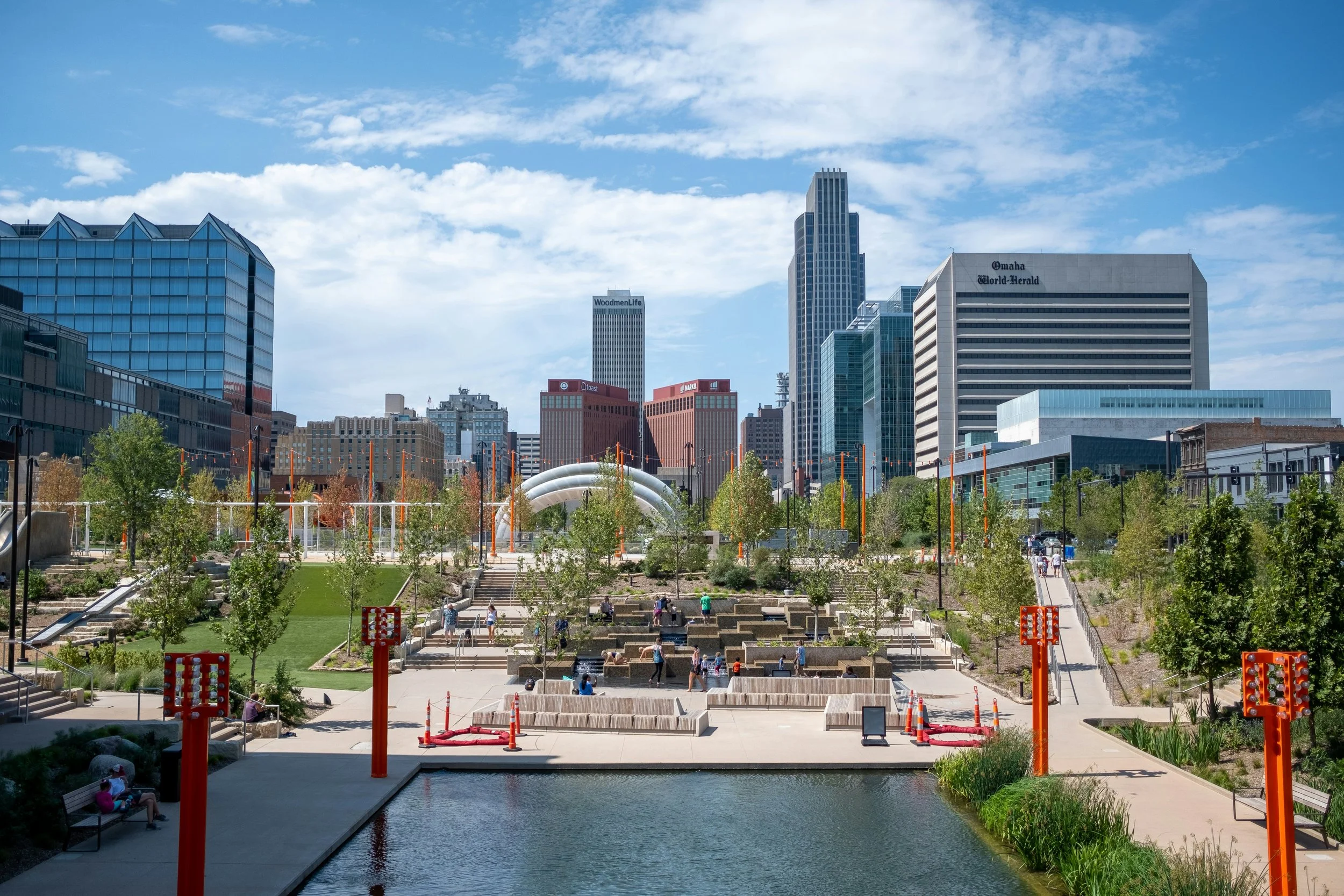
City Case Study
Legitimacy Through Visibility in Omaha, Nebraska
Recognition and narrative as drivers of coalition strength
Organizations Involved
The Omaha coalition is anchored by the Latino Economic Development Council (LEDC), a community-based organization with deep roots in South Omaha, long-standing trust among residents, and practical experience in supporting the local business ecosystem. LEDC partnered with the Metropolitan Area Planning Agency (MAPA), the region’s federally designated economic development district, and the South Omaha Business Improvement District (BID), which represented corridor-level businesses and property owners. Canopy South, a nonprofit focused on neighborhood redevelopment, engaged early but stepped back from regular participation due to staff capacity constraints while remaining connected to the coalition outside the formal convenings. Together, these partners work on connecting neighborhood credibility with regional authority and institutional infrastructure.

Community Context
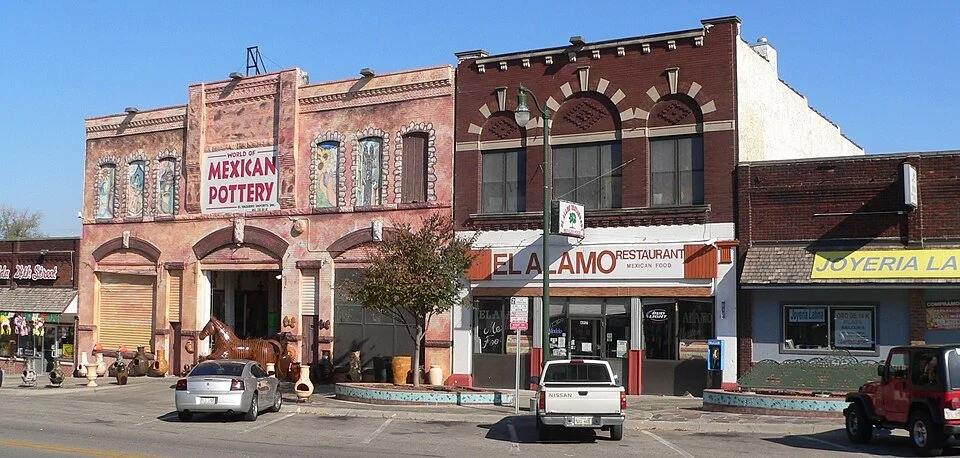
South Omaha has strong cultural and commercial assets but has often been excluded from formal planning processes and overlooked in regional investment strategies. Businesses are typically small and locally owned yet have limited access to capital and institutional support. For LEDC, the challenge is not demonstrating economic vitality but securing recognition as a central player in the region’s economic vision. At the same time, partners noted that Latino residents are increasingly dispersed throughout Douglas County, making regional engagement essential beyond South Omaha itself.
Type of Project
The coalition did not focus on a single development project. Instead, it sought to embed community-based business and commercial corridor stabilization work into regional planning and investment systems. The effort included scaling LEDC’s entrepreneur support programs, strengthening commercial corridors, and ensuring that local voice was visible in investment negotiations. This work was particularly important as significant federal funding flowed into both North and South Omaha. The coalition’s role was to help ensure that priorities from South Omaha were part of regional conversations.

Alliance Interventions
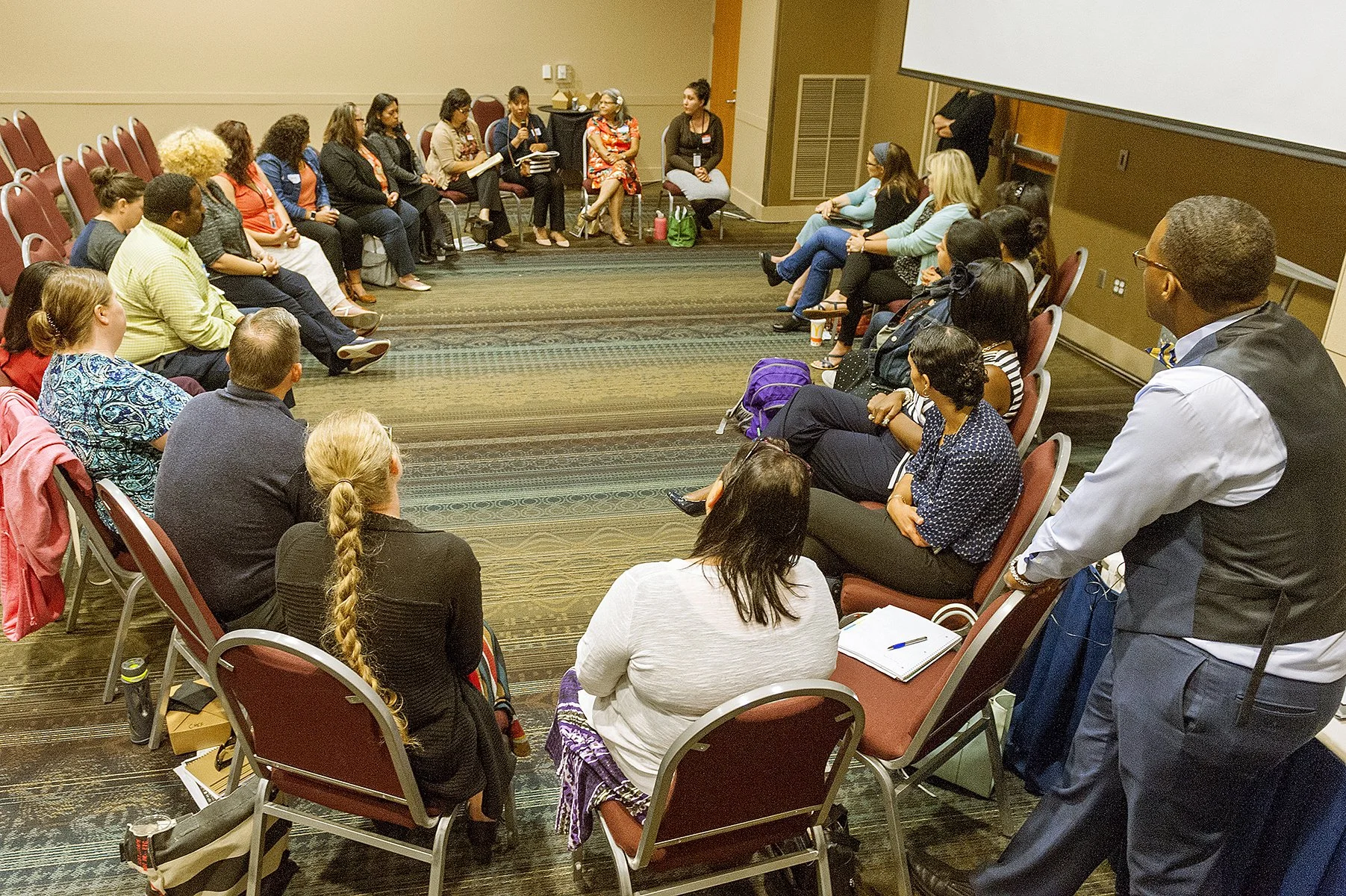
The Alliance provided structured facilitation and convening support that created predictable space for dialogue, role clarification, and trust-building. Monthly convenings balanced LEDC’s community approach with MAPA’s institutional processes, encouraging both adaptation and mutual respect. In Phase One, training introduced a common language around roles, responsibilities, and power sharing between community-based organizations (CBOs) and economic development organizations (EDOs). MAPA leaders credited this training with reshaping how they planned their upcoming Comprehensive Economic Development Strategy (CEDS). For LEDC, the training reinforced confidence in engaging regional decision-makers as peers.
The Alliance also facilitated opportunities for collaboration. MAPA staff participated in LEDC’s board retreat, which created space for aligning long-term goals. LEDC convened redevelopment partners and invited MAPA and the City of Omaha to strengthen ties between neighborhood priorities and regional strategy. A joint public moment came with the announcement of the Plaza de la Raza, which demonstrated alignment between community vision and regional recognition.

Challenges Faced
Capacity constraints were a recurring barrier. LEDC operates as a lean nonprofit, stretching to maintain presence at multiple institutional tables. Canopy South’s reduced participation highlighted how smaller organizations often cannot sustain regular involvement despite alignment. The South Omaha BID, staffed by volunteers and corridor business owners, struggled to balance coalition participation with daily business responsibilities.
MAPA also identified resource limitations. With only $70,000 annually from EDA to manage its regional planning functions, staff noted that sustained engagement of community partners was difficult without additional support. They emphasized that if federal resources were made available for this type of coalition-building, they would apply every year.
Successes & Outcomes
Recognition emerged as the dominant factor. LEDC described MAPA’s partnership as a form of validation, a public acknowledgment that their work mattered and deserved visibility. This validation functioned as a resource transfer by bolstering LEDC’s credibility with funders and policymakers, opening doors to new opportunities, and giving the organization leverage in investment negotiations.
MAPA, for its part, acknowledged that the partnership gave momentum to its own work, helping it connect community conversations to regional priorities. The coalition demonstrated how visibility at public events could elevate community partners. For example, the Plaza de la Raza announcement drew attention from local officials and created momentum for further collaboration.
The partnership also reshaped planning strategy. MAPA began explicitly considering how to integrate CBOs like LEDC into the CEDS process, which historically had been dominated by cities, counties, and established EDOs. Discussions extended to rethinking economic development tools, such as shifting away from a near-exclusive focus on suburban greenfield industrial sites to exploring urban approaches that bring jobs closer to residents.
LEDC, in turn, strengthened its capacity. Through regular convenings, redevelopment partnerships, and intentional strategy-setting, it moved from being a participant to a co-lead in coalition work. Its reliability and responsiveness positioned it as a valued partner. For MAPA, this partnership broadened its understanding of how community organizations can be engaged in regional planning.
Lessons Learned
The Omaha experience shows that legitimacy is not automatic. It must be earned and conferred through trust, recognition, and steady presence. Historically, institutions have received visibility even when community-based organizations delivered measurable impact. This coalition demonstrated that recognition can be catalytic by providing credibility, influence, and access that operate as forms of capital. For practitioners, the lesson is that recognition is not symbolic but practical. Validation strengthens both organizations and coalitions. For funders, the takeaway is that supporting mechanisms to elevate smaller organizations into planning and investment systems is as valuable as direct financial investment.
The coalition also highlights that sustainability requires addressing both sides of the capacity gap. Community-based organizations need resources to sustain engagement, and regional institutions need adequate funding to maintain broader participation. Without intentional investment, strong partnerships risk reverting to old patterns.
Do's and Don’ts
Key takeaways from the Omaha’s coalition's experience, what helped build momentum and what to watch out for when replicating this approach in your own community.
✓ Do
Do treat recognition and validation as forms of capital that open doors for CBOs.
Do create structured and predictable spaces for dialogue that balance institutional processes with community pace.
Do invest in training that builds a shared language across CBOs and EDOs.
Do adapt institutional frameworks such as CEDS to include ground-level organizations as stakeholders.
Do leverage public events to elevate community partners’ visibility and credibility.
Do acknowledge and plan for volunteer and staff capacity limits when engaging smaller organizations.
Do advocate for sustainable funding streams that allow regional institutions to resource this work.
✗ Don't
Don’t assume legitimacy flows automatically to community-based organizations, even when their impact is clear.
Don’t treat recognition as symbolic without linking it to influence, access, and resources.
Don’t limit planning processes to established institutions while excluding neighborhood-level expertise.
Don’t underestimate the strain of participation for lean nonprofits and volunteer-run groups.
Don’t focus only on suburban or exurban growth models without considering urban and community-based approaches.
Don’t allow partnerships to remain transactional, work toward shared responsibility for outcomes and strategy.
Related Case Studies
Explore More Case Studies
See how other communities build their alliances.