

City Case Study
Building Stronger Partnerships through Communication in Sacramento, California
Collaboration and coordination across local organizations
Organizations Involved
The Sacramento partnership includes the City of Sacramento Office of Economic Development, the Mutual Assistance Network, the Greater Sacramento Urban League, the Del Paso Boulevard Partnership, and CLTRE, a creative economic development group. Each organization contributes a distinct role. The City provides institutional coordination and planning expertise. The Mutual Assistance Network offers trusted neighborhood relationships and direct community presence. The Greater Sacramento Urban League focuses on workforce development and small business support. The Del Paso Boulevard Partnership leads business engagement and corridor revitalization. CLTRE strengthens the creative economy through cultural programming and visibility. Together, these organizations represent a broad cross-section of civic, business, and community interests that share a commitment to improving coordination and strengthening local investment.
From the beginning, the Sacramento coalition approached the Alliance with the understanding that the partnership itself was the central project. They did not view the Alliance as a vehicle for launching a single initiative. Instead, they recognized that building strong collaborative infrastructure, including how they communicate, plan, and coordinate, would create the foundation for long-term community impact. This perspective shaped their work throughout the program and guided their commitment to developing the systems and relationships needed to sustain meaningful and community-centered work well into the future.
Community Context
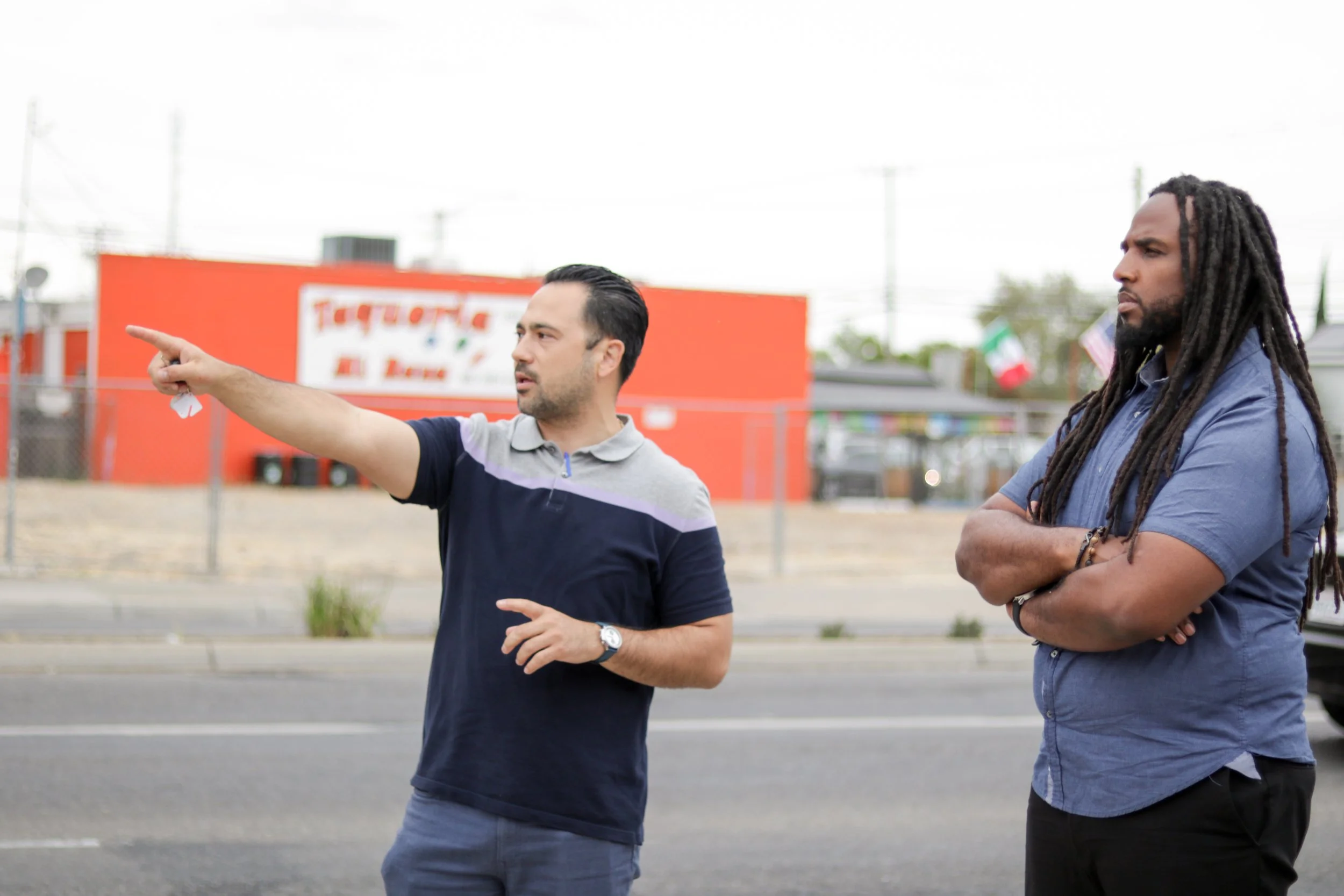
Sacramento’s Del Paso Heights neighborhoods include a mix of long-standing small businesses, new creative ventures, and commercial spaces that are not fully utilized. Although the city is experiencing broader economic growth, some neighborhoods have not seen the same level of investment. The partnership was formed to create a clearer and more reliable process for collaboration among organizations that each play a role in supporting local businesses and community development. The work builds on years of individual effort but seeks to move from separate activities toward a more aligned and mutually reinforcing approach.
Rather than continuing with isolated programs, the partners began focusing on how coordinated planning and communication could improve service delivery across the neighborhood. This shift helped the coalition establish stronger working relationships with residents and business owners. It also created opportunities for partners to share information, reduce duplication, and provide support that is more consistent, practical, and responsive to local needs.
Type of Project
The partners are focused on developing a practical model for cross-sector collaboration that can strengthen neighborhood business districts. The project has centered on regular coordination across organizations, shared planning for small business events, and support for corridor activities such as business roundtables and public engagement sessions. By aligning their resources and outreach, the partners aim to build a stronger and more reliable ecosystem for small business owners, local entrepreneurs, and neighborhood stakeholders.
As they carried out these activities, the coalition treated each point of collaboration as an opportunity to build internal capacity. Every shared event, planning discussion, and joint outreach effort reinforced how the group could function as a coordinated partnership rather than a set of separate organizations. This helped partners develop habits of collaboration that can sustain the coalition’s work after the Alliance ends.
Alliance Interventions
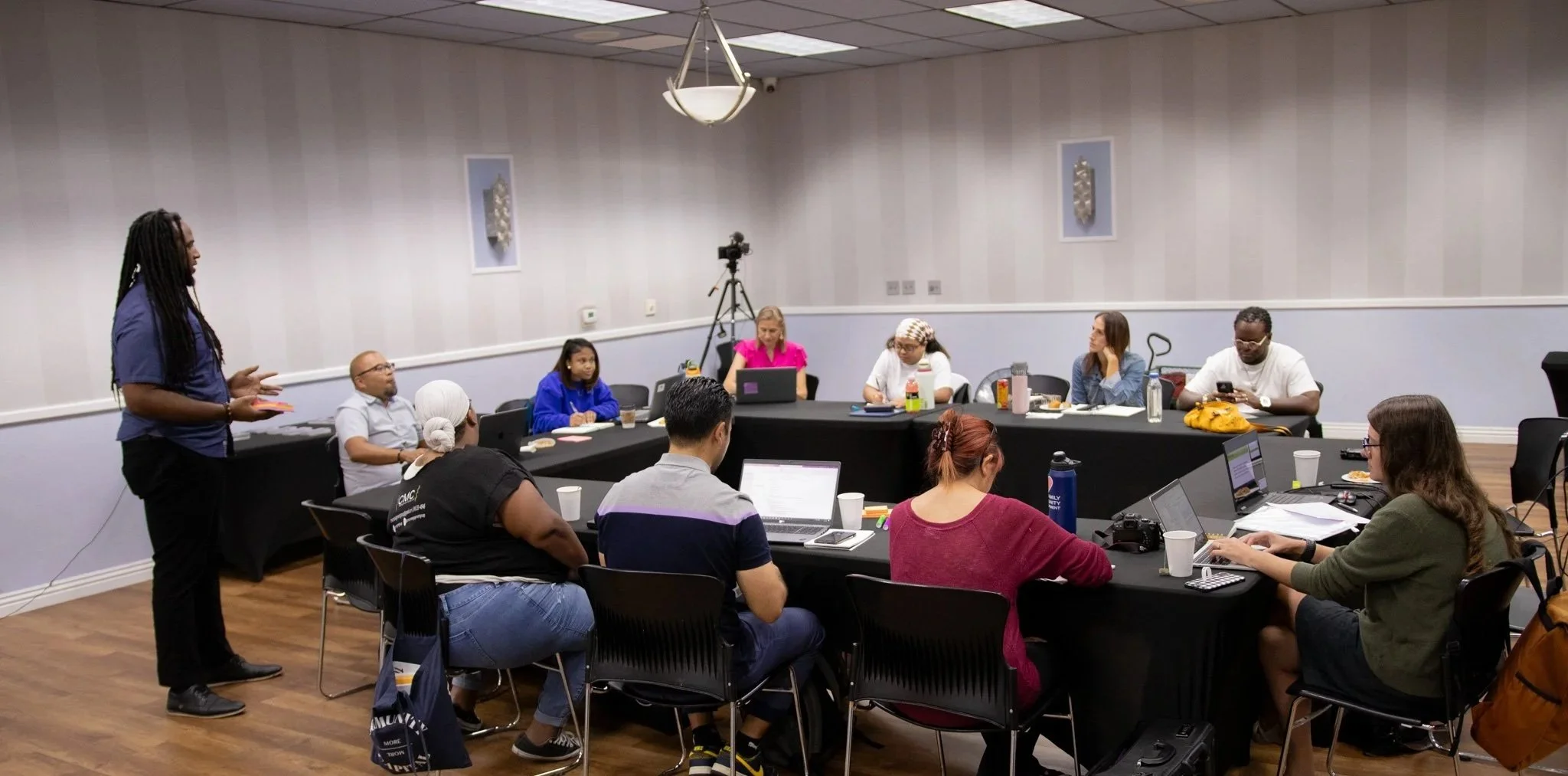
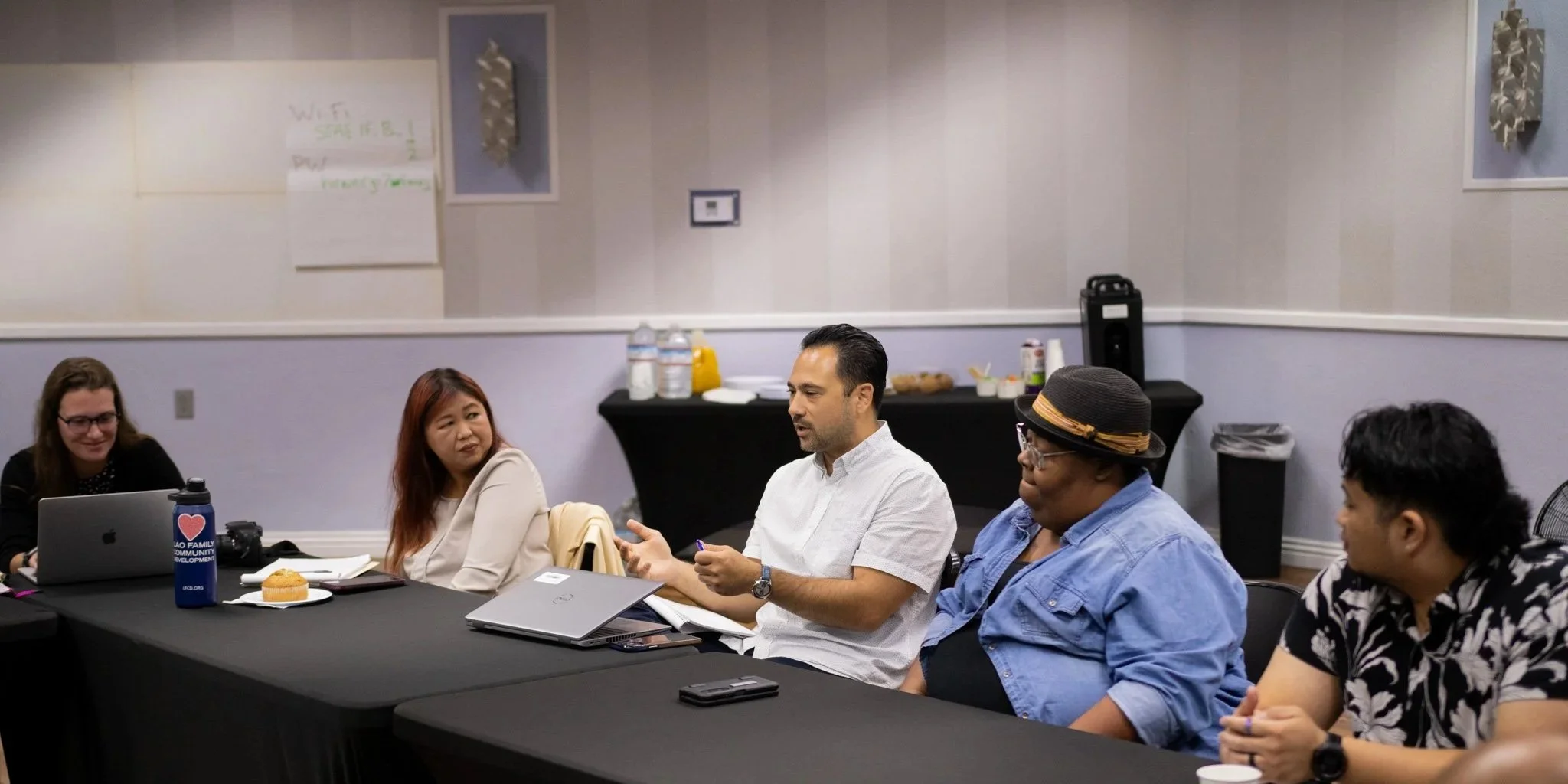
Through structured facilitation, the Sacramento team established shared practices for communication, planning, and accountability. Regular Alliance meetings provided a predictable space for partners to review progress, identify areas of overlap, and clarify responsibilities. Early sessions focused on trust and transparency so that partners understood one another’s work and could make timely referrals or share information. Tools such as asset mapping and group reflection exercises helped partners clarify organizational strengths and identify where coordination would add practical value.
These interventions were not simply steps toward a product. They became the foundation for a partnership model the coalition intends to continue. Through the Alliance, partners began shifting from coordinating only when needed toward a longer-term commitment to clear communication, shared planning, and joint problem solving in support of neighborhood wellbeing.

Challenges Faced
The partnership faced several recurring challenges during its first six months:
Limited time and competing workloads. Each organization manages multiple programs, making it difficult to dedicate time for joint planning. The partners adapted by establishing short, structured check-ins and dividing responsibilities according to expertise.
Different organizational cultures. The city operates on regulatory timelines, while nonprofits and business groups focus on more immediate community needs. Aligning these approaches required open discussion and flexibility.
Funding and leadership transitions. Some partners were affected by leadership changes or reduced funding, which created uncertainty and slowed decision-making. The group responded by sharing grant information and supporting joint proposals to maintain momentum.
Communication across sectors. Each organization uses different internal systems and reporting structures. Facilitated meetings provided a neutral space to coordinate language, expectations, and updates in a way that worked for all partners.
Working through these challenges reinforced the partners’ belief that strengthening the coalition itself is essential to any long-term neighborhood strategy. The experience highlighted that while technical challenges can often be solved through better systems, relational challenges require intentional investment, shared commitment, and consistent communication.
Successes & Outcomes
Despite these challenges, the Sacramento coalition made measurable progress. Relationships among the partners deepened, with greater trust and shared commitment to ongoing collaboration. Partners began attending and supporting one another’s events, creating visible alignment across programs and corridors. Asset mapping helped identify overlaps and clarify how each organization fit within the city’s broader small business ecosystem.
The City’s Office of Economic Development showed a desire to incorporate insights from the partnership into its planning and outreach activities, while community organizations expanded their networks and leveraged city connections for their clients. Several partners reported that the collaboration allowed them to streamline their own efforts and avoid duplication of work, freeing time, and resources for new initiatives.
Most importantly, the coalition emerged with a shared commitment to sustain this work after the Alliance. They are exploring systems for formalizing the partnership, strengthening communication processes, and deepening the kind of community connectivity that is not just transactional but truly transformative. Their concluding work is intentionally focused on building the internal capacity needed to continue operating as a coalition—using what they learned from the Alliance to carry forward a more unified, strategic, and community-centered approach.

Lessons Learned
The Sacramento experience shows that progress in partnership development often depends on communication and consistency more than new programs or funding. Regular meetings and shared planning helped transform a set of independent organizations into a coordinated network. The partners learned that transparency about workloads, honest discussion of challenges, and mutual respect were essential to maintaining trust. They also recognized that even modest improvements in coordination can have a lasting effect on how local organizations operate and how resources reach neighborhoods.
Most critically, the coalition learned that building internal partnership capacity is itself a strategy for advancing community wealth building. By shifting away from a mindset of collaborating only for discrete projects, they are now embracing collaboration as a long-term commitment to shared community transformation.
Do's and Don’ts
Key takeaways from the Sacramento’s coalition's experience, what helped build momentum and what to watch out for when replicating this approach in your own community.
✓ Do
Do hold regular, structured meetings with clear agendas and outcomes.
Do invest time in understanding how each partner operates and communicates.
Do use asset mapping or similar tools to clarify roles and reduce overlap.
Do approach partnership work as relationship building, not just project management.
Do support smaller organizations by sharing resources and administrative tasks.
Do celebrate visible collaboration, such as joint events or shared outreach efforts.
Do recognize when the partnership itself is the primary intervention and invest accordingly.
✗ Don't
Don’t assume shared goals will automatically lead to shared action; structure is required.
Don’t overlook communication differences between government, business, and nonprofit sectors.
Don’t treat partnership meetings as add-ons; make them part of the regular workflow.
Don’t let funding cycles or leadership changes disrupt ongoing collaboration.
Don’t focus only on new initiatives; improving coordination across existing efforts can yield equal or greater value.
Don’t limit collaboration to the timeline of a single project; sustainable impact comes from long-term relationship building.
Watch This Community in Action
See how communities in Sacramento and New Orleans are building cross-sector partnerships that strengthen local economies, in our newest short film, The Power of Partnerships | A Look Inside NGIN's Economic Partnership Alliance.
Related Case Studies
Explore More Case Studies
See how other communities build their alliances.